Field validation

LARKBIRD Smart Coop Door

Know the door actually moved.

Remote door control and real status feedback for coops that may have neither reliable Wi-Fi nor mains power at the door.

Confirmed architecture

Indoor Wi-Fi gateway + solar/battery outdoor endpoint.

Recorded test

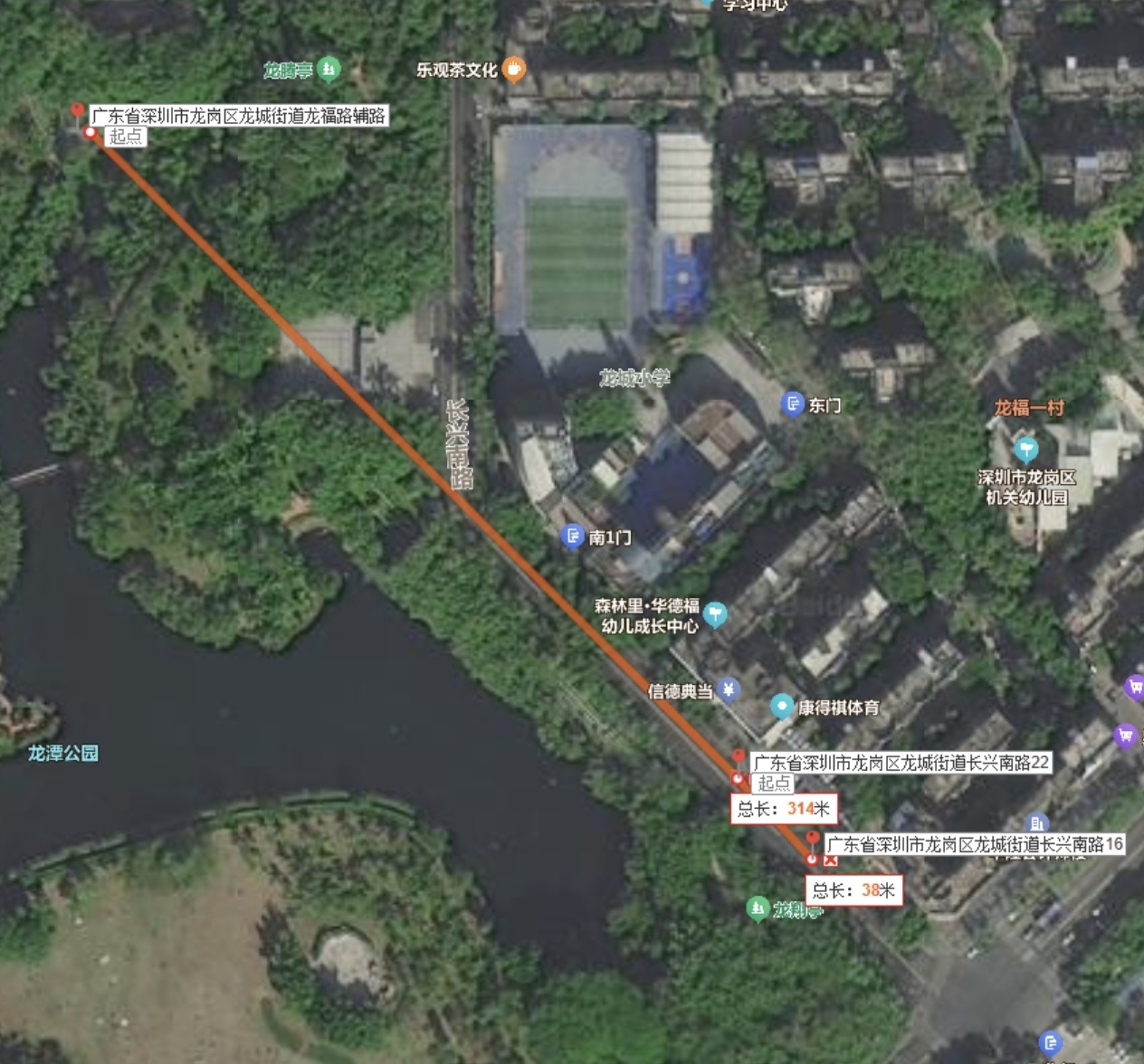
One ~200m obstructed line-of-sight test returned information and door actions.

Still validating

Icing, final wireless/FCC path, power, and mechanical reliability.

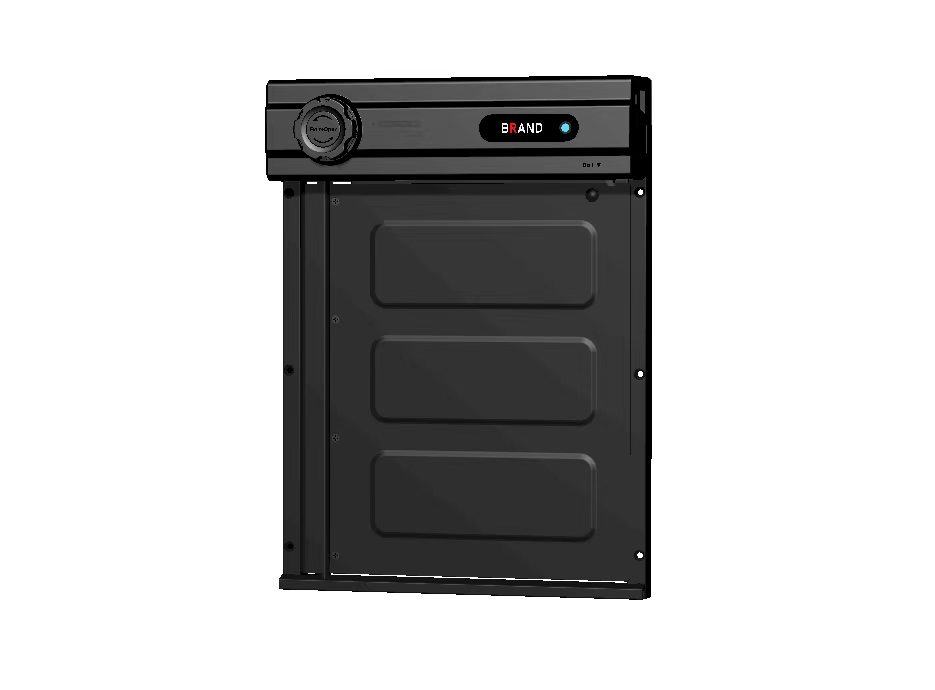
LARKBIRD smart coop door development unit on a neutral backgroundDevelopment product image

The real environment

The door is not next to the router—and a sent command is not a closed door.

Backyard coops and small farm enclosures may sit away from the house. Wi-Fi can be weak at the door, mains power may not be available, and remote control has limited value if the owner cannot confirm that the action completed.

The architecture therefore separates indoor networking from outdoor movement and returns state to the owner.

Three reasons to care

Engineering priorities from the field outward.

01

Keep Wi-Fi indoors

Send low-power control outdoors.

Problem → design decision

Continuous outdoor Wi-Fi raises power and coverage demands. A mains-powered indoor Wi-Fi gateway connects to the door over a low-power 433MHz-class link.

User value → evidence/status

Remote access without requiring strong home Wi-Fi at the coop. The architecture is confirmed; final frequency, power, and FCC path remain under validation.
02

Built around off-grid operation

Keep network-heavy work away from the door.

Problem → design decision

A coop may have no 110V outlet. The solar/battery endpoint focuses on motor action, state sensing, and low-power communication.

User value → evidence/status

An architecture aligned with outdoor power conditions. Solar power, battery life, and low-temperature performance need final-version testing.

03

Know the result

Close the loop instead of only sending a command.

Problem → design decision

Owners need action confirmation when away. Door state, battery, signal, logs, and exception alerts return through the gateway/app direction.

User value → evidence/status

A closed feedback loop. This is the current interface/system direction, not proof of public app availability or every alert path.

How it works

A deliberate handoff from phone to field.

The indoor gateway handles the always-on network role. The outdoor endpoint concentrates on movement, sensing, and lower-power communication.

01 / Remote layer

Phone + interface direction

Remote open/close, door state, battery, signal, logs, sunrise/sunset schedules, and alerts are in the current system direction.

02 / Indoors

Mains-powered Wi-Fi gateway

Always-on Wi-Fi work stays inside, closer to the home router and a power outlet.

03 / Outdoors

Solar/battery door endpoint

Motor action, state sensing, and bidirectional communication use a low-power 433MHz-class link direction.

Development diagram · Final frequency, power, antenna, and regulatory configuration remain version-dependent.

Development journey

The system became reachable—and knowable.

01

Observed the environment

The door is not next to the router.

Why / action

The target coop can be far from the house without stable Wi-Fi or mains power.

Evidence / learning

The problem changed from “add an app” to making the outdoor system reachable and knowable.

02

Separated the system

Indoor gateway + outdoor endpoint.

Why / action

Always-on Wi-Fi/cloud work moved to a mains-powered indoor gateway.

Evidence / learning

The outdoor endpoint retained movement, state sensing, and low-power communication.

03

Selected the field link

Low-power and bidirectional.

Why / action

A bidirectional 433MHz-class point-to-point link became the current architecture direction.

Evidence / learning

Final frequency, power, antenna, and regulatory configuration remain version-dependent.

04

Built the feedback loop

Return the outcome.

Why / action

Control, door state, battery, signal, logs, schedules, and alerts were designed as one system.

Evidence / learning

Remote action is most useful when the result travels back to the owner.

05

Tested outside the lab

One ~200m recorded test.

Action

A line-of-sight test with trees and buildings as obstructions received information and completed open/close actions.

Boundary

This is one recorded test, not a rated or guaranteed 200m range.

06

Used failures as inputs

Reliability work surfaced.

Evidence

Icing, lock timing, Hall-sensor alignment, button fit, and mechanical tolerances appeared as active problems.

Learning

Extreme icing is not solved and remains visible in the validation plan.

07

Current build / next validation

Repeat, measure, review.

Current

Launch package and app/listing work continue while field validation remains active.

Next

Measure bidirectional success, low-power behavior, cycle life, icing response, and final wireless/FCC configuration.

Evidence gallery

Real hardware, one recorded field test, and an interface concept.

Each item states what it supports and what it cannot establish alone.

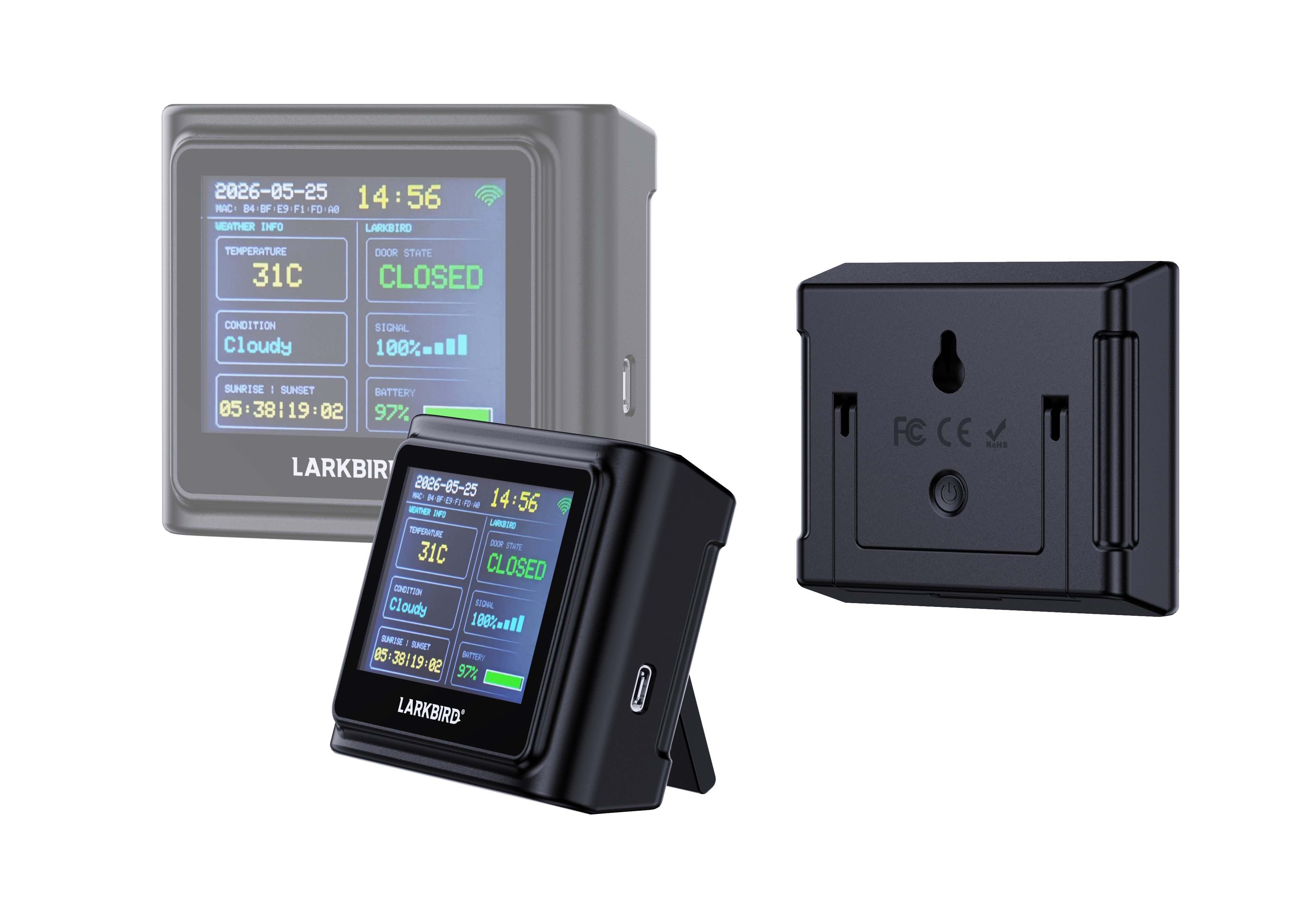
Indoor gateway development components shown together
Development product image

Indoor gateway direction

Supports

The separate indoor-gateway architecture.

Does not prove

Final industrial design, certification, or availability.

Interface concept

Control + status direction

Supports

Intended English control and status flows.

Does not prove

A public App Store release or every production alert path.

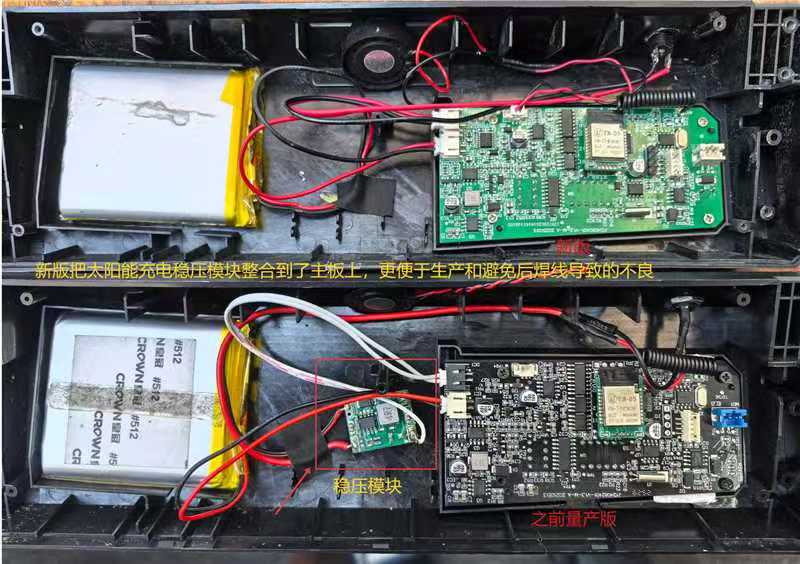
Open gateway prototype showing batteries and circuit boards
Prototype hardware photo

Development internals

Supports

Physical prototype development and power architecture work.

Does not prove

Production reliability, cycle life, or certification.

Original map record of an approximately 200 meter field test
Original test record

Approximately 200m field test

Supports

One obstructed line-of-sight test received information and completed actions.

Does not prove

A rated range, every environment, or through-wall 200m performance.

Current status

Field progress without a universal range promise.

Verified now

One recorded outdoor test

At approximately 200m with trees and buildings as obstructions, information returned and open/close actions completed.

Current design

Split indoor/outdoor architecture

Gateway, low-power field link, state return, battery/signal visibility, logs, schedules, and alerts define the current direction.

Working on

Field validation + launch package

Repeated communication, power behavior, mechanical reliability, app/listing work, and wireless review remain active.

Open limitation

Extreme icing is not solved

Final frequency, power, FCC path, low-temperature power, and production mechanical reliability remain open.

Product FAQ

What the current evidence does not promise.

One test is a data point, not a universal rating.

Is the app publicly available?

No public iOS or Android availability is claimed. The English interface shown here is labeled as a concept based on the current control/status direction.

Is the range guaranteed at 200m?

No. One approximately 200m line-of-sight test with trees and buildings as obstructions received information and completed door actions. Actual results depend on the environment.

Is FCC certification complete?

No. Final wireless frequency, power, antenna, and the FCC path are still under validation.

How is the outdoor unit powered?

The current architecture direction uses a solar/battery outdoor endpoint while the indoor gateway uses mains power. Final power and low-temperature performance require testing.

What happens in extreme icing?

That boundary is not fully solved. Icing retests and mechanical reliability remain active validation work.