The pattern tells you the cause
Brown wax looks like one problem, but it is four different ones wearing the same color. A jar that browned evenly from top to bottom is aging from the inside out. A jar that went pale on one side got too much sun. A dark band across the surface, deepest where the wax pool sat, is heat damage. Black speckles clustered near the wick belong to a flame — soot that fell back into the melt pool.
Reading the pattern matters because the causes have completely different fixes. Sunlight is a storage problem, soot belongs to the wick, oxidation is the calendar, and heat is the one variable you set every single session on a warmer. Get the cause wrong and the fix does nothing: moving a jar off a windowsill will not reverse oxidation, and trimming a wick will not stop the sun.
The four causes, one table
| Cause | What it looks like | What is happening | What to do |
|---|---|---|---|
| Fragrance oxidation | Even browning through the whole jar, strongest in vanilla-type scents | Vanillin and related fragrance molecules react with oxygen over months and darken the wax on their own | Buy stock you will finish within a season; store cool, sealed, and dark |
| Sunlight | One side of the jar paler or yellower than the other | UV light bleaches dye — the sun-facing side fades while the shaded side keeps its color | Keep jars off windowsills and out of direct light |
| Heat scorching | A darker band across the top layer, deepest where the melt pool sat | Sustained heat pushes dye and fragrance past their comfort zone at the surface | Lower heat levels for long sessions, and give every session a timer |
| Soot contamination | Black speckles or a smudge ring near the wick, only on candles that burn | A flickering or over-long wick sheds carbon into the melt pool | Trim the wick before each burn — or melt flame-free |
Two of these need nothing but placement. The other two are about how the candle spends its melted time, which is the part a warmer owner actually manages.
Why heat is the one you control
Oxidation runs on its own clock. Sunlight is a shelf decision. Soot is a wick decision that belongs to burned candles. Heat is different: it is a dial, and it compounds. A wax surface that sits melted for eight hours a day experiences far more heat exposure than one melted for a couple of evenings a week, and the chemistry responds in kind.
Dyes are not heat-stable forever. Hold them above their comfort zone long enough and they shift — usually darker, because the heavier dye loads used in deep-colored candles are the least stable. Fragrance compounds degrade on the same schedule, which is why scorched-looking candles so often smell tired as well: the browning and the scent loss are the same degradation happening in two places.
This is why marathon sessions are the enemy of candle color. The wax is not doing anything wrong; it is simply spending its fragrance and dye budget while nobody is there to smell it. If you have ever left a warmer running all day and found the candle a shade darker by evening, that is the mechanism at work — not a defect, just exposure adding up.
What the settings have to do with it
The controls on our warmer map onto this directly. Heat runs at three fixed levels — 60%, 80%, or 100% — plus an Auto setting that holds 100% for the first 5 minutes to establish the fragrance, then steps down to 80% for the rest of the session. That profile is the color-friendly shape: a hot opening to get the melt pool moving, then a sustained-but-gentler hold. For long sessions with dark, heavily dyed candles, running mid levels after the first melt is the conservative choice; save full power for opening a fresh candle or a short session.
The timer is the color-protection device. It offers 2, 4, or 8 hours, and at the end the heat and light turn off together — the forgotten session, the one that scorches wax, is the one the timer prevents. A 2-hour timer covers an evening; the longer settings are there for days when you actually want all-day warmth, not for habits.
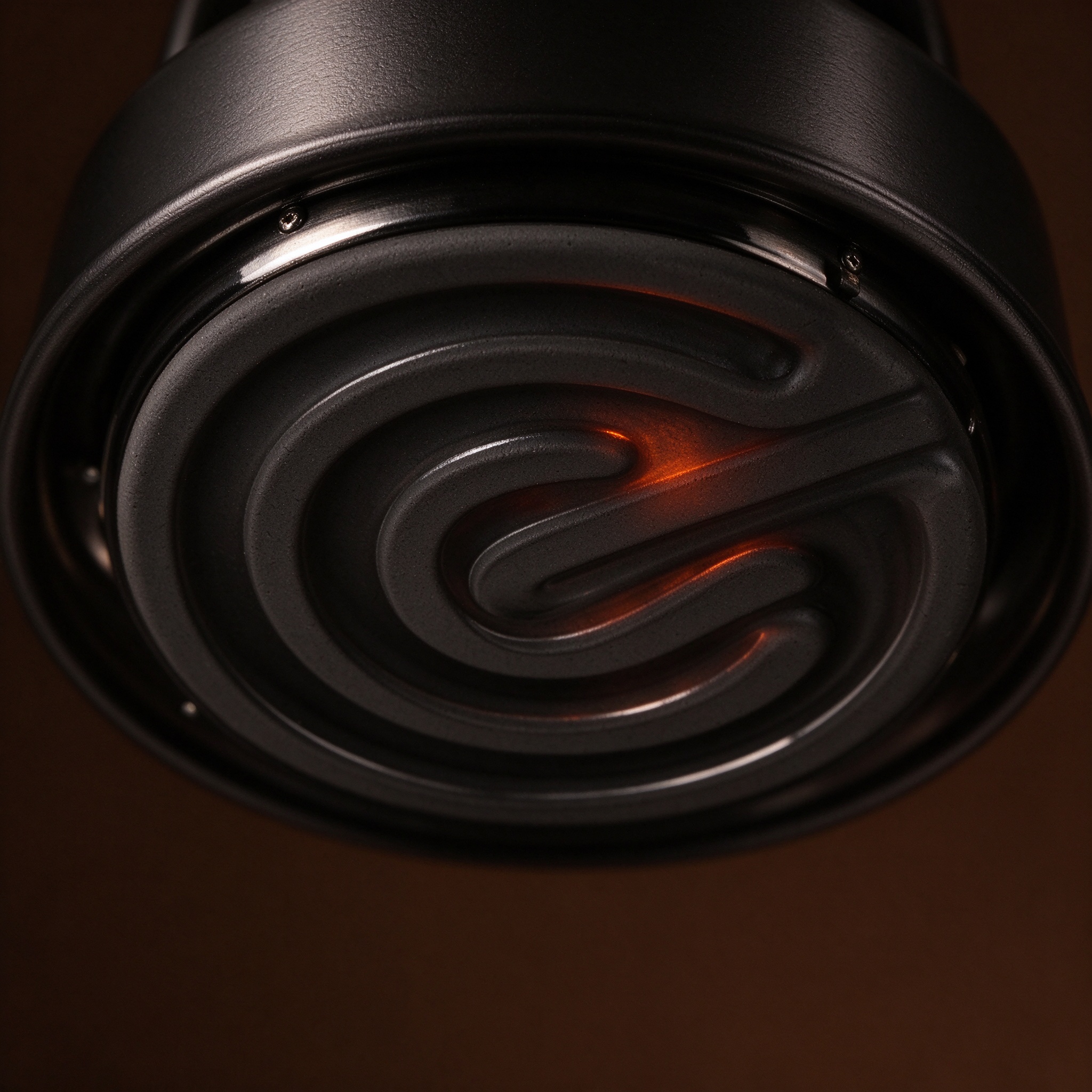
Two quieter details help as well. The ceramic element produces heat without light, so there is no bulb adding its own heat inches above the wax — the candle gets warmth from one source, not two. And the melt spreads evenly from the top, which keeps wax from sitting in unmelted ledges that age at their own pace; a candle that burned unevenly and left a shelf of wax on the jar wall has exactly that problem, and our guide to fixing a tunneled candle covers how to melt the ledge back down.
Is brown wax done?
Mostly, no — but the honest answer depends on which cause you have:
- Even browning, scent still strong. Cosmetic. The candle melts and smells the way it did on day one. Melt on.
- Even browning, weak scent. An aged candle. It will still melt, but the fragrance has partly spent itself — use it up rather than archive it, because it will not improve in storage.
- One-sided fading. Purely visual. Nothing about the wax or scent has changed; only the jar's looks suffered.
- Scorched smell, or a dark band with a burnt note. Stop melting that one. The fragrance has degraded past the point of a good session, and more heat will not bring it back.
One reassurance while we are being concrete: brown wax is almost never mold. Wax holds no moisture, so nothing grows inside a sealed jar of it — what reads as mold is nearly always oxidation or dye shift. The rare exception is a candle stored somewhere damp with water finding its way into the jar, and that candle announces itself by look and smell before you warm it.
Keeping the color honest
- Store spares in a cupboard, not on a sunny shelf. UV does its work through glass, months at a time.
- Buy for the season. Vanilla-type scents brown on their own within months of opening; a candle you love should be a candle you finish.
- Let Auto pace the session. A hot 5-minute opening, then 80% — the strongest scent comes first and the wax spends less total time at high heat.
- Every session gets a timer. Two hours for an evening, four or eight when you genuinely want all-day warmth. The session that ends itself is the one that does not scorch.
- Smell the candle cold before you warm it. If it smells faint before the heat is even on, the browning is only the visible half of aged fragrance — plan a short session rather than a long one.
Color change is normal chemistry, not a defect — every candle does it eventually, because dyes and fragrance both age. What the settings decide is the pace. Heat you set, sessions the timer closes, and storage you control: the color stays honest for exactly as long as the candle is being enjoyed instead of merely kept. If you are still choosing how to run long evenings, our notes on leaving a candle warmer on overnight cover the session-length side, and why candle soot collects on walls covers what the flame-based alternative does to a room.
FAQ
Is candle wax that turned brown still okay to melt?
Browning caused by oxidation or gentle heat is usually cosmetic — the wax still melts and releases fragrance, though an aged candle throws less scent than a fresh one. If the surface also smells scorched or stale, the fragrance has gone past its best window; retire that candle rather than melt it.
Does a candle warmer darken wax faster than a wick does?
Any heat accelerates the chemistry that darkens wax, and a warmer holds the whole top surface melted for the entire session — more melted time means more color change. A flame adds soot near the wick, which is its own kind of discoloration. What decides the speed is how hot you run and for how long: mid heat levels and a timer keep the exposure short.
Why did my wax darken only at the top?
The top layer is where the melt pool lives. If the darkening sits in the surface wax or in a ring near the wick, heat or soot did it — the wax below, which never melted, keeps the original color. Browning that runs evenly all the way down the jar points to oxidation or sunlight instead.
Can you fix wax that already turned brown?
No. The color change is chemistry — dye and fragrance molecules that have reacted — and it does not reverse. Scraping off the darkest top layer removes the ugliest part, but the candle still throws less scent than a fresh one. Prevention: shaded storage, lower heat, and sessions that end on a timer.
Is brown wax mold?
Almost never. Wax does not hold moisture, so mold does not grow inside a sealed jar of it. What looks like mold in candle wax is nearly always one of the four causes above — usually oxidation or dye migration. The exception worth checking is a candle stored somewhere damp with water getting into the jar.